Walking is the simplest way to give yourself a workout. Moving is improving so even 15 minutes a day can start you on the way to making walking a habit.
Although walking is easiest when the weather is agreeable, don’t let a little rain or light snow keep you indoors!
Here are some tips to get the most out of it:
Dress properly.
In mild weather, wear several light layers so that you can remove a layer as your body warms up from the activity. If it’s a chilly day, bring gloves and a hat. You want to be comfortable and enjoy your walk.
Wear supportive shoes.
Thin-soled, untied or loose-fitting shoes may result in a twisted ankle or sore arches – not the benefit you are looking for! Wear comfortable footwear that is appropriate for the weather – your walk will not be enjoyable with cold or wet feet.
Bring a bottle of water.
It’s surprising how quickly you may become thirsty, even on a short walk. This is especially important on hot, humid days when remaining hydrated is a challenge.
Get your arms moving while you walk.
Swing them gently front to back. As an added bonus, it will limber up your shoulder joints and muscles.
Walk at a comfortable, brisk pace.
The quicker the walk, the greater the benefits.
A companion is a good idea.
Ask your partner, a friend or one of your children to come along with you. They can keep you motivated and make walking seem like less of a chore.
Making walking a regular habit.
Getting into the activity habit is easiest if you choose a specific time each day. If you are a morning person, that might be before you start work or the kids need your help getting ready for school.
Not a morning person? A walk on your lunch break will work up an appetite and help your digestion.
Alternatively, if evening is the best time for you, schedule your walk after dinner and evening chores are completed. The important thing is to decide on the best time for you and try not to allow other things to get in the way.
Consider your walk as an enjoyable break in your day, a time when there are no chores to do or deadlines to meet. Breathe deeply and enjoy your surroundings.
Enjoy the warmer weather and improve your overall health by making walking a part of your daily routine.
At Pickering Village Chiropractic and Massage, we provide our patients with more than just chiropractic and massage therapy services, but also the know-how to build better personal wellness habits so you can be at your best for work or play, every day.
To book an appointment or learn more about the chiropractic and therapeutic massage therapy services available at our clinic, call 905-427-3202.
As we head into July this week, we continue to spend more time in the great outdoors with activities, such as hiking, golfing, gardening, and running.
Being active can help you maintain your flexibility and good posture, build strong bones, and relieve stress. Recreational activities are a great way to enjoy these benefits while having fun. Whether you pick up a garden rake, a golf club or pound the pavement in running shoes, the important thing is to get moving.
Just remember, as you gear up for a fun-filled summer, keep the health of your back in mind!
Here are eight tips to keep your back healthy as you exercise over the coming months:
Warm-up
Before hitting the links or even the back garden, consider a short activity to warm up first, like going for a short walk. Make sure to do gentle stretches to limber up muscles and joints before lifting, digging or swinging that golf club.
Learn the Proper Technique
Learn the correct technique for your activity, right from the beginning. Poor technique can cause injury to joints and muscles. For example, be sure to kneel, not bend, when planting your garden. For golfers, take professional lessons to rid yourself of bad habits in your golf swing that could hurt your back.
Maximize Your Flexibility
Maintaining good mobility for muscles and joints will contribute to your athletic ability and help prevent injury. Restrictions in muscle and joint function can hamper your technique and lead to strains and sprains. If you are a runner, take the time to stretch out calf and thigh muscles before hitting the road.
Drink Fluids
Drink plenty of fluids before, during and after physical activity. Remember that once you are thirsty, you are already starting to dehydrate. Dehydration affects your energy level and your physical functioning.
Don’t Overdo
If you have a big day of yard work planned, consider breaking up different activities into smaller chunks to avoid overloading your body. With a return to summer sports, consider a smaller training session first rather than a longer one (ie a trip to the driving range before that first round of golf).
Cool Down
Cooling down after any physical activity is just as important as warming up. Take 20 minutes for a brisk walk or a slow jog, and stretch out your muscles and joints before heading for the shower.
Treat Injuries Promptly
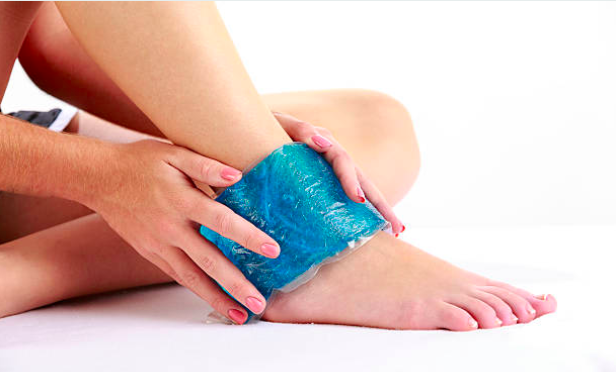
If you suffer an injury or experience pain from your summer recreational activities, ice the area to reduce swelling and inflammation.
Seek Professional Help
If pain persists, consult a chiropractor or health care professional to help you with your recovery. In Ontario, you don’t need a referral to see a chiropractor.
How can chiropractic and massage therapy help with your back pain?
Chiropractic treatment relieves back pain using effective clinical tools like manipulation, mobilization, soft tissue therapy, exercise, patient education and rehabilitation.
Extensively trained in spinal manipulative therapy (SMT), chiropractors are proficient in providing specialized care which has been proven effective in reducing pain, improving function, and decreasing the chances of low back pain becoming a chronic condition.
Ajax chiropractors Dr. John Noble and Dr. Mark Fera can provide education on your spine and posture and create a personalized treatment plan for your low back pain designed to ease pain and lower your risk of recurrence.
The warm spring weather that has many of us spending an increasing amount of time outdoors — walking, running, hiking, golfing, playing tennis — often means an inevitable increase in strains and sprains.
Assuming your injury isn’t serious enough to warrant a trip to the ER, you may be wondering how to treat your new sprain or strain.
Should you apply ice? Or is it heat? What else can you do?
The best treatment for a sprain or strain is with the “PRICE” method, a helpful acronym that is useful to remember when you have an acute injury.
Please note, if you are unsure of the severity of your sprain or strain, you should talk to your doctor before beginning any treatment or rehabilitation.
Remember P.R.I.C.E.
These five simple rules will help speed up your recovery in the first 48-72 hours of a sprain (ligament) or strain (muscle) injury.
P is for PROTECTION.
Protect the injured area from sustaining any more damage.
R is for REST.
Allow the injury time to heal.
I is for ICE.
Ice should be applied to an injured area as soon as possible.
Use the 10/10/10 method of ice application: 10 minutes of ice; followed by 10 minutes of rest without ice; followed by 10 minutes of ice again. Do not apply heat. Ice works to reduce pain and inflammation to your injured muscles, joints and tissues and may even slow bleeding if a tear has occurred.
C is for COMPRESSION.
Use a tensor bandage to wrap the injured area. When wrapping, begin at the end furthest away from the heart.
E is for ELEVATION.
If possible, raise the injured area above the level of the heart, especially at night, by putting a pillow under the injured area.
After the first 48 hours, slowly start to use the injured area again and continue icing for another day. If you are unsure of the severity of your injury, consult a docotr or chiropractor for an evaluation.
The wellness team at Pickering Village Chiropractic & Massage provides our patients with more than just chiropractic and massage therapy services, but also the know-how to build better personal wellness habits so you can be at your best for work or play, every day.
To book an appointment or learn more about the chiropractic and therapeutic massage therapy services available at our clinic, call 905-427-3202.
With content from the Canadian Chiropractic Association.
A whopping 59 percent of Canadian adults report suffering from some form of headache. Are you one of them?
Often debilitating, headaches are an unpleasant discomfort, pain or pressure that can be addressed by manual therapies, relaxation and rest, hydration and even short-term use of pain medication.
Yet, in severe cases, the pain can be unbearable and last for many hours or even days. In 2010, an estimated 2.7 million Canadians reported being diagnosed with a migraine headache. And research indicates that the actual number of migraine sufferers is likely underestimated since not everyone seeks care and receives a diagnosis from a healthcare professional.
Instead, many Canadians search the internet to self-diagnose and self-manage. But like many sources of pain, the causes of headaches are not all alike and as such, the remedies also differ.
Here are a few common types of headaches:
Tension Headaches
The most common type of headache, tension headaches are characterized as diffuse, dull, aching pain typically described as tightness around the head. Not surprisingly, the most common trigger for tension headaches is stress. Generally, this type of headache can be managed by decreasing your stress, applying a cold or hot pack and improving your posture. Conservative care, like chiropractic, can also help relieve symptoms and prevent a recurrence.
Migraine Headaches
Migraine headaches can present differently from person to person. Symptoms may include disturbed vision, nausea and vomiting, sensitivity to light, and are often accompanied by sensory warning symptoms (aura). Sufferers may need to lie down in a darkened room until the symptoms ease. The causes of migraine headaches are not yet known, but there are a number of triggers that are associated with migraines including stress, sleep deprivation, changes in the environment and certain foods. A migraine can last hours or even days.
Cervicogenic Headaches
A cervicogenic headache is classified as a secondary headache because the pain is referred from structures of the neck. Since the origin is usually related to the cervical spine, managing pain can include manual therapy and recommended at-home exercise to address postural issues and dysfunction.
What causes headaches?
The causes of migraines and other types of headaches are not entirely known. Commonly, joint dysfunction, muscle tightness and poor posture can lead to the development of pain and specifically headaches. The changing barometric pressure that accompanies an abrupt shift in the weather is also thought to trigger migraines.
Headache triggers to avoid, when possible:
Stress
Alcohol
Skipping meals
Dehydration
Loud, sustained noise
Sleep deprivation
Treatment for Headaches
Depending on the type of headache, your healthcare practitioner may recommend spinal manipulation, soft tissue therapy, home exercise, relaxation and/or nutritional counselling.
How do chiropractors help with headaches?
Chiropractors can assess, diagnose, and manage headaches. Current evidence suggests that chiropractic care, including manual therapy, can be effective in treating cervicogenic and tension headaches. Studies have also shown that chiropractic care can help decrease the intensity and frequency of migraines.
The treatment options may include:
Manual therapy
Soft tissue therapy
Modalities including electrical stimulation, acupuncture, and ultrasound
Rehabilitation
Lifestyle changes and education
Referral and co-management
It’s important to take headaches seriously. Consider consulting a chiropractor if you often have headaches, if you frequently take a pain reliever for your headaches, if your headache pattern changes, or if your headaches are getting worse.
Seek prompt attention if your headache is sudden and severe, follows a head injury, or is accompanied by fever, stiff neck, weakness, numbness, or difficulty speaking.
If headaches have become a regular part of your life, it may be time to seek help from a qualified healthcare professional, such as your chiropractor. Like other musculoskeletal conditions, headaches can be differentiated by a comprehensive examination and strategies to relieve the pain can be identified.
With tennis courts and golf courses back open, it’s only a matter of time before you feel the effect that repetitive movements can have on your body.
Repetitive strain or injury due to overuse is common in recreational sports. In fact, two of the most popular injuries are tennis elbow and golfer’s elbow. Even if you don’t play tennis or golf, these injuries can easily happen to you over time.
Tennis elbow and golfer’s elbow are different types of injuries that both involve forearm muscles, but impact where the muscles connect to the joint on opposite sides of the elbow. They both relate to inflammation and damage in the elbow and involve the wearing down of different tendons and the slowing of their ability to repair themselves.
What’s the difference between Tennis Elbow and Golfer’s Elbow?
Tennis Elbow
Tennis elbow involves the muscles and tendons of your forearm that extend to your wrist and fingers. Symptoms may develop gradually, with mild pain that slowly worsens over time. Tennis elbow usually doesn’t come from an injury, but rather from overuse of the tendons in your forearm. Symptoms include weak grip strength and a pain or burning sensation on the outer part of the elbow. Usually, they get worse when you use your forearm in activities like holding a racquet (hence “tennis” elbow), turning a wrench, or shaking hands.
Golfer’s Elbow
Golfer’s Elbow also involves the forearm muscles. In this case, we’re talking about the muscles that attach from the wrist and go to the “funny bone” area of the elbow near the inner bump. These muscles are responsible for wrist flexion (or the twisting motion of the wrist), which explains its connection to golf. Symptoms include pain or tenderness near the funny bone, or inner bump of the elbow, as well as reduced strength in your grip. This type of injury can happen outside of sports activities: workers that regularly complete tasks that involve repetitive wrist flexion or “twisting” or forearm pronation (turning the palm downwards) commonly suffer from golfer’s elbow.
Luckily, there are some exercises and stretches applicable to both conditions that you can do to help manage your symptoms.
Stretches that can help with both tennis elbow and golfer’s elbow injuries:
Wrist Stretch (tennis elbow): Hold your arm out in front of you, palm facing down, and pull your hand and fingers back towards you using your other hand. Do so gently so as not to cause pain. This shouldn’t be painful, so if it hurts, pull more gently for a slight stretch. This should stretch your forearm. Hold for 30 seconds, relax, and repeat three times.
Wrist Stretch (golfer’s elbow): This exercise is similar to the one for tennis elbow, but the hand is inverted to the other direction. Hold your arm out in front of you, palm facing up, and gently pull your hand and fingers back towards your body using your other hand. Hold for 30 seconds, then relax. Repeat three times. You can do these stretches throughout your day.
Exercises that can help with both tennis elbow and golfer’s elbow injuries:
Wrist Extension (tennis elbow): One of the common range of motion exercises for tennis elbow is wrist extension. Begin with your elbow at a 90-degree angle, palm facing down, resting on a table’s surface. Gently extend your wrist to lift it off the table (this should not be painful). Repeat ten times. As you progress you can add weight, like holding a water bottle, to add resistance and incorporate strengthening into the exercise.
Wrist Flexion (golfer’s elbow): This exercise is similar to the wrist exercise above, but the palm is in the other direction. For the wrist flexion exercise, begin with your elbow at a 90-degree angle, palm facing up, resting on a table’s surface. Gently extend your wrist to lift it off the table towards the ceiling (this should not be painful). Repeat ten times. You can also add weight resistance to add strength training to the exercise.
Grip Strengthening: For this exercise, all you need is a squishy ball or “stress ball.” Hold the ball in your hand and gently squeeze. Hold for five seconds, relax, and repeat ten times. This exercise is helpful for both tennis elbow and golfer’s elbow.
Strength Exercise: One of the common strengthening exercises you can do is informally called the “hammer exercise.” You will need a hammer as your weight resistance. Hold the handle of the hammer, and keep your elbow at 90 degrees, rested flat on a table’s surface. Slowly rotate the hammer towards the centre of your body, turning the direction of your palm downwards. Then slowly reverse the motion, rotating the hammer outwards—your palm begins facing up with the heavy side of the hammer pulling on your arm. Rest briefly. Repeat ten times.
Other suggestions for treating your tennis/golfer’s elbow:
Manage your pain by modifying the activities causing the pain, such as reducing the repetition or the duration of the problematic activities.
Seek chiropractic care, which would include the stretches and exercises listed above.
Purchase a compression or stability brace for your elbow (available from your chiropractor or you can purchase over the counter tension sleeves from your local pharmacy).
Explore other treatments such as laser or shockwave therapy.
Golf courses are opening up again in Ontario and you’re excited to get back on the course. But don’t let your enthusiasm keep you from understanding the strain and effort required to play golf.
To avoid injury, be sure to spend at least five minutes stretching before you start swinging!
Here are a few quick and easy golf stretches to help you get in the game without the pain.
Hip Flexor Lunge
Stand with your feet shoulder-width apart.
Step one foot forward into a lunge position. Keep your body upright and back straight.
Bend both knees so that you feel the stretch.
Do not let your forward knee pass over the ankle of your front foot.
Use a golf club to keep your balance.
Hold 15 seconds. Repeat twice on each side.
Seated Twist
Sit on a bench or golf cart with your knees together and feet flat, pointing forward.
Reach across the front of your body and grasp the back of the bench or cart.
You should experience a stretch in your spinal muscles.
Hold 15 seconds. Repeat twice on each side.
Seated Forward Bend
Sit on a bench or golf cart, knees bent and feet flat.
Place one ankle onto your opposite knee, and relax this leg so that your knee falls out to the side.
Slowly bend forward, keeping your back straight.
You may gently pull on your bent knee to generate a deeper stretch.
You should feel a stretch in your buttock area.
Hold 15 seconds. Repeat twice on each side.
Side Bending Stretch
Stand with feet shoulder-width apart.
Hold the golf club above your head with your arms straight.
Slowly bend to one side, without rotating, until you feel a stretch along the side of your back.
Suffering from back or neck pain from golfing? At Pickering Village Chiropractic and Massage, we provide our patients with more than just chiropractic and massage therapy services, but also the know-how to build better personal wellness habits so you can be at your best for work or play, every day.
To book an appointment or learn more about the chiropractic and therapeutic massage therapy services available at our clinic, call 905-427-3202.
Have you ever experienced the tender, achy feeling of a muscle knot in your back, shoulders or neck? If so, you’re not alone. Research has shown that muscle knots may affect up to 85 per cent of the population, impairing mobility, causing pain, and in some cases, reducing a person’s quality of life.
Muscle Knots Defined
Muscle knots are stiff bands of muscle that have a hard knob in the centre, otherwise known as a trigger point. The pain can either pop up spontaneously (active) or when the trigger point is pressed (latent). In all cases, muscle knots cause pain to radiate beyond the trigger point and into the surrounding muscles.
The Causes of Muscle Knots
Muscle knots — or myofascial trigger points — have a variety of possible causes but evidence suggests that they are the result of overuse, with the most likely culprits being heavy lifting or repetitive activities.
Other causes of muscle knots include:
Psychological stress
Poor ergonomics
Bad posture
Fatigue
Dehydration
Unhealthy eating habits
Sleep disturbances
Joint problems
Muscle fibres should contract and relax, lengthen and shorten. If you sit at the computer all day, with very little activity, your muscle fibres eventually stick together, forming a knot. Bad posture also puts stress on our muscles, and with enough time, this stress can cause the formation of scar tissue.
The Symptoms of Muscle Knots
The primary symptom of muscle knots is pain. Most people agree that muscle knots feel swollen, tense, or bumpy, and cause an aching sensation.
Depending on where in the body the muscle knot is located, it may cause seemingly unrelated pain in other areas. For example, a muscle knot in the neck can send pain into the base of the skull, causing a tension headache.
Are You at Risk?
There are very few people who get through life without experiencing a muscle knot. In fact, 97 per cent of people with chronic pain have trigger points, and 100 per cent of people with neck pain have them. Here are some of the risk factors that increase your likelihood of developing them:
Aging
Disease
Stress
Fibromyalgia
Muscle Knots Diagnosis
Diagnosing a muscle knot requires a physical examination by an experienced professional such as a chiropractor or registered massage therapist. The examiner will assess the area of concern for three things: a taut band of muscle, a tender nodule, and the reaction of the patient to physical pressure.
Treatment for Muscle Knots
The most common treatment for muscle knots include:
Whichever option you choose, the main goal is to release the trigger point to reduce pain and increase mobility by breaking up the knotted tissue and calming inflamed nerves.
Preventing the Formation of Muscle Knots
Because muscle knots are the result of overuse, stress, bad posture, fatigue, etc., your risk of getting a muscle knot can be lowered by resting and working on posture and overall lifestyle habits.
Here are some tips:
Improve your posture by sitting in a relaxed position, with your shoulders back and down. Try your best not to slouch.
Take opportunities throughout the day to rest and incorporate exercise into your routine.
Don’t overdo it when lifting heavy objects. Ask for help, take it slowly, or move things in batches.
If your job requires you to sit for most of the day, take regular stretch breaks to prevent your muscles from getting too tight.
Make sure your diet includes a healthy mix of calcium, potassium, and magnesium, and drink plenty of water to keep your body hydrated.
Self-care for Muscle Knots
While we recommend seeking the advice of a spine, muscle, and nervous system expert, there are some cases where you can massage the sore muscles yourself.
Try following this simple technique:
Locate the knot in your muscle and, using your fingers, gently massage it out.
Focus on loosening the tight muscle by pressing down firmly and making small circles.
If you’re finding it difficult to reach the muscle knot in your back, neck, or shoulders, you can try using a tennis ball or foam roller to apply pressure to the knot. Slowly and gently move back and forth to relieve the tension.
Muscle knots in any area of the body are painful and frustrating. Now that you know what they are, what causes them, and how to treat them, we hope you’ll find relief and get back to enjoying your everyday activities.
Aging, obesity, and chronic health conditions, among other things, can lead to limited mobility and strength. And these issues can in turn contribute to spine, muscle, and joint problems.
Starting at age 30, our bones decline in density. And if bone mass gets dangerously low, it’s called osteoporosis. Physical exercise, particularly if it’s weight-bearing, can help you better manage osteoporosis, including its side effects.
According to the Report on Ageing and Health 2015, a spine, muscle, and joint report prepared for the World Health Organization (WHO), osteoporosis, osteoarthritis, and sarcopenia (muscle loss) affect millions. And in Canada, osteoporosis affects two million Canadians, but many people only get diagnosed after they break a bone.
For many, spine, muscle, and joint problems start with mild symptoms, such as joint pain, stiffness, and swelling. As a result, the discomfort may prompt you to limit activity, leading to weaker muscles. You end up losing more range of motion and things start to increasingly hurt.
Using muscles and joints incorrectly makes it worse. And unfortunately, people may stop exercising and begin limiting their everyday activities. An inactive lifestyle can contribute to many chronic conditions, including osteoporosis, among others. Inactivity can also lead to balance issues, which puts you at risk of falling. Plus, people who have multiple conditions must often juggle a wide range of medications and all their potential side effects.
These conditions can lead to very serious outcomes, such as falls that shorten your lifespan. However, it doesn’t have to be this way.
What Exercises Help Manage Osteoporosis and Osteoarthritis?
Being physically active can turn things around for those with conditions such as osteoporosis and osteoarthritis. That’s the power of exercise.
Exercise impacts health, but it must be the right exercise. Controlled movements that build strength and range of motion are ideal. A combination of activities, such as swimming, cardio gym machines, and low-impact aerobics, can be effective. However, weight-bearing exercise works best to help you manage osteoporosis.
For those whose range of motion is limited, yoga and Pilates can be helpful, along with further support from chiropractic care, massage therapy, and physiotherapy.
The right activity for the right person can make a big difference. Dr. John Antoniou, an orthopaedic surgeon and former president of the Canadian Orthopaedic Association, says: “You won’t reverse the damage that’s occurred, but it’ll maintain the function that’s still there.”
Exercise can help you manage osteoporosis to slow the rate of bone loss that comes with this age-related bone disease. It can also reverse some age-related muscle mass loss. With less pain, stronger muscles, and better balance, you’ll find you can do much more.
Where does chiropractic care fit in?
A chiropractor can prescribe a therapeutic exercise program to help increase your strength and range of motion in affected areas. This program can include stretching, strengthening, postural awareness, balance training, and neuromuscular exercise. However, exercise as a therapy to help manage osteoporosis can be challenging because your instinct is to stop moving once you have mild pain. An integrated approach between a medical doctor who is supporting patients with chronic health conditions and a chiropractor assisting in managing the muscle, spine, and joint components will help you become more active.
While the mentality is often to stop doing an activity because it hurts, when it comes to arthritis, you need to push through discomfort but stop when you feel true pain. Guidance from health care professionals on “hurt versus harm” can make sure exercise is healing, not hurting.
If you don’t enjoy traditional exercise, such as going to the gym, try focusing on doing everyday life activities such as walking, gardening, and playing golf.
Currently, only one in five Canadian seniors gets the recommended 150 minutes of activity per week. With help from a health care professional, like a chiropractor and your integrated care team, you can break this pattern to better manage age-related conditions like osteoporosis.
You’ve turned on the computer and reviewed your to-do list. You twist to the left and reach ever so slightly to grab a pen when suddenly…you throw out your back. Has this ever happened to you?
When your range of motion is compromised, simple movements are not so simple anymore. Sitting down hurts. Standing up hurts. Laying down hurts. The pain makes it difficult to get through the day, and your energy is low.
What can you do to restore function and reduce the pain and tension?
One option is to visit a chiropractor. Chiropractors are spine, muscle, and nervous system experts who provide effective treatment to promote health, alleviate pain, and improve your quality of life.
One of the main therapeutic techniques used by chiropractors and other health care providers is spinal manipulation also referred to as an adjustment. However, depending on your health history and specific condition, your chiropractor may opt to include other treatment methods as well.
Here are some treatment options you can expect during a chiropractic visit (after the initial health history and examination):
Adjustments/Manipulations
Definition: A quick, gentle thrust to the spine intended to provide pain relief and increase mobility.
What to expect: Your chiropractor will ask you to sit or lay down on the treatment table, depending on where your pain is located. They will apply a gentle force to the joint with their hands – which will often be accompanied by a “popping” sound. That “popping” sound is believed to be the release of air pockets from the fluid inside the joint – like cracking your knuckles, according to a study led by Dr. Greg Kawchuk, a University of Alberta professor and chiropractic researcher.
Is chiropractic care right for me? You should discuss with your chiropractor directly. Before providing any treatment, your chiropractor will integrate their clinical expertise, your personal preferences and values, with the best scientific evidence available.
Exercises/Stretching
Definition: Planned, structured and repetitive activities that improve health, maintain fitness, and condition any part of the body for physical rehabilitation.
What to expect: After your initial assessment and diagnosis, your chiropractor may recommend specific exercises or stretches to help strengthen your muscles and improve function. Examples include the use of resistance bands to strengthen your shoulders and back, or gentle neck stretches for headaches and tension.
Is stretching right for me? It’s important to make sure you’re performing your exercises correctly, so you don’t pull a muscle or injure yourself. Your chiropractor will guide you through the movement and help correct your form if needed.
Acupuncture
Definition: A technique involving the insertion of thin needles into the skin at particular pressure points in order to produce an analgesic—or painkilling—effect (among other observed benefits).
What to expect: Acupuncture* causes little to no discomfort. During an acupuncture session, your chiropractor will insert very thin needles through the skin to stimulate nerves, muscles, and connective tissue. Once the needles are in place, you will relax for a period of time, during which time your chiropractor may gently twirl the needles, apply heat, or stimulate the needles with electric pulses – this generally applies more stimulation and is intended to increase the effects of standard acupuncture.
Is acupuncture this right for me? There are a few instances where acupuncture could cause complications. If you have a bleeding disorder, a pacemaker, or you’re pregnant, acupuncture may not be right for you. This is why it’s important to fill out intake forms with your medical history and maintain open dialogue with your chiropractor.
*Chiropractors are permitted to use acupuncture as a treatment method in all Canadian provinces except Quebec and British Columbia.
Massage Therapy
Your chiropractor may refer you to a registered massage therapist. At Ajax-Pickering Chiropractic & Massage, our massage therapists are Rolf Castanheiro and Jessica Raedisch.
Definition: Massage therapy consists primarily of hands-on manipulation of the soft tissues of the body, specifically, the muscles, connective tissue, tendons, ligaments and joints for the purpose of optimizing health.
What to expect: Various specialized movements of the hands, over the skin or clothes, make up a massage therapy treatment. The registered massage therapist will work with your level of pain tolerance during the treatment, and the treatment can be stopped at any time should the treatment become uncomfortable.
Is massage therapy right for me? The benefits of massage therapy are numerous and act as a perfect complement to chiropractic care. Massage treatments can be used to successfully treat neck and back pain, sports injuries, repetitive stress injuries, pre- and post-natal pain, migraines, headaches, stress and much more.
Chiropractors work with you to identify the best treatment for you and your needs. Visiting a chiropractor is about relief, so take an active role in your body’s healing – ask questions, notify your chiropractor if you have any concerns, and get on the path to recovery.
Contact Pickering Village Chiropractic & Massage today at 905-427-3202.
The wellness team at Pickering Village Chiropractic & Massage provides patients with more than just chiropractic and massage therapy services, but also the know-how to build better personal wellness habits so you can be at your best for work or play, every day.
To book an appointment or learn more about the chiropractic and therapeutic massage therapy services available at our clinic, call 905-427-3202.
With content from the Canadian Chiropractic Association
Walking boosts blood flow to your brain, decreasing your stress hormones and releasing endorphins. This helps improve your mood, lower your chance of depression and reduce your risk of cognitive decline.
Two hours of walking a week can reduce your risk of stroke by 30%.
A 40-minute walk three times a week protects the brain region associated with planning and memory.
A 30-minute walk a day can reduce symptoms of depression by 36%.
2. Walking is good for your bones, muscles and joints.
Like other weight-bearing activities, walking helps maintain bone health. Four hours of walking per week can reduce the risk of hip fractures by up to 43%.
Walking up and down hills increases the activation of the hip, knee and ankle muscles. The steeper the grade, the bigger the benefit.
Walking increases the circulation of synovial fluid around your joints, providing essential lubrication and nutrients to cartilage, the tissues that act as a cushion between your bones.
3. Walking can help you maintain a healthy weight.
Walking at least 30 minutes per day is linked to lower body weight, body fat and waist circumference. A daily one-hour walk can cut your risk of obesity in half.
4. Walking is good for your digestive tract.
By taking a walk after a meal, you help your food move your digestive system, reducing the incidence of bloating and digestive problems.
5. Walking can help manage diabetes.
Diabetes affects approximately 2.5 million Canadians, with over 200,000 cases being diagnosed every year. Researchers around the globe have all found that regular exercise, along with dietary changes, can help manage diabetes. Walking can help reduce insulin resistance, keeping blood sugar levels balanced and energy levels even.
6. Walking is good for your heart.
Studies have shown that exercise lessens your risk of developing heart disease because it helps reduce the amount of fats and cholesterol in the body (both play a role in damaging your arteries). A daily 30 to 60-minute walk increases your heart rate, improves blood flow and helps your heart pump more efficiently, reducing the risk of cardiovascular disease.
7. Walking can help you live longer.
With all these health benefits, it only makes sense that walking increases longevity. A mere 75 minutes a week of brisk walking can add almost two years to your life!
Enjoy the warmer weather and improve your overall health by making walking a part of your daily routine.
At Pickering Village Chiropractic and Massage, we provide our patients with more than just chiropractic and massage therapy services, but also the know-how to build better personal wellness habits so you can be at your best for work or play, every day.
To book an appointment or learn more about the chiropractic and therapeutic massage therapy services available at our clinic, call 905-427-3202.
Image courtesy of Canada Walks. Inspired by content from the Canadian Chiropractic Association, MyFitnessPal and Canada Walks.
The Village Chiropractic Clinic consists of a group of knowledgeable, and friendly professionals that have worked as a team to help me obtain and maintain my optimal health goal through chiropractic and massage therapy.









 Side Bending Stretch
 Aging, obesity, and chronic health conditions, among other things, can lead to limited mobility and strength. And these issues can in turn contribute to spine, muscle, and joint problems.
 You’ve turned on the computer and reviewed your to-do list. You twist to the left and reach ever so slightly to grab a pen when suddenly…you throw out your back. Has this ever happened to you?
 Exercises/Stretching
