
Archive
Beating the Heat: 10 Essential Summer Hiking Safety Tips
Leave a Comment
Hiking is a rewarding way to connect with nature and stay fit. Summer, with its long days and plentiful sunshine, seems like the ideal time to hit the trails. However, summer hiking comes with unique challenges, not least of which is the sweltering heat. To help ensure your safety while exploring the great outdoors this summer, we’ve compiled a list of ten essential tips.
1. Start Early or Late
The sun is most intense between 10 a.m. and 4 p.m., so to minimize exposure, plan to hike in the early morning or late afternoon. Besides, the soft glow of dawn or dusk can make your outdoor adventure feel even more magical.
2. Hydrate, Hydrate, Hydrate
Hydration is always crucial while hiking, but it’s even more so in the summer heat. Drink plenty of water before you hit the trail, and bring more water than you think you’ll need. For longer hikes, consider bringing a water purifier to refill from natural sources.
3. Dress Smart
Choose lightweight, breathable, and light-coloured clothing to reflect the sun’s rays instead of absorbing them. Also, opt for moisture-wicking fabrics to help keep you cool. Don’t forget a wide-brimmed hat for extra shade and sunglasses to protect your eyes from harmful UV rays.
4. Slather on Sunscreen
Even on cloudy days, harmful UV rays can damage your skin. Apply a broad-spectrum sunscreen with an SPF of at least 30 to all exposed skin, and reapply every two hours or after heavy sweating.
5. Take Regular Breaks
Heat can increase fatigue, so take regular breaks in shaded areas. Listen to your body and rest when needed. During your breaks, drink water and munch on salty snacks to replace lost electrolytes.
6. Know the Signs of Heat Illness
Learn the signs of heatstroke and heat exhaustion, which include confusion, dizziness, headache, rapid heartbeat, and more. If you or a hiking partner exhibits any of these symptoms, seek shade, rest, hydrate, and cool the body with wet clothing. If symptoms persist, seek medical help immediately.
7. Learn About Local Wildlife
Summer not only draws hikers to the trails but also awakens many creatures, some of which may pose dangers to hikers. Be aware of the local wildlife and how to react should you encounter it.
8. Stay on Marked Trails
Following marked trails helps minimize your impact on the environment, keeps you safe from hazards, and prevents you from getting lost. Besides, trails are usually shaded and cooler than open areas.
9. Tell Someone Your Plan
Before heading out, let someone know your hiking plan, including your expected return time. This simple act can be a lifesaver if an unexpected situation arises.
10. Pack Essential Safety Gear
Your backpack should include a map, compass, first-aid kit, whistle, headlamp/flashlight, and multi-tool, among other essentials. These tools can be indispensable in a crisis, even in the age of smartphones.
Summer hiking, while challenging, can be safe and enjoyable with the right preparation. By following these tips, you can ensure that your adventure in the great outdoors will be a memorable one, for all the right reasons. Stay cool, stay hydrated, and happy trails!
The wellness team at Pickering Village Chiropractic & Massage provides patients with more than just chiropractic and massage therapy services, but also the know-how to build better personal wellness habits so you can be at your best for work or play, every day.
To book an appointment or learn more about the chiropractic and therapeutic massage therapy services available at our clinic, call 905-427-3202.
8 Tips for Staying Healthy While Exercising Outdoors This Summer
Leave a Comment
With July only a few days away, we continue to spend more time in the great outdoors with activities, such as hiking, golfing, gardening, and running.
Being active can help you maintain your flexibility and good posture, build strong bones, and relieve stress. Recreational activities are a great way to enjoy these benefits while having fun. Whether you pick up a garden rake, a golf club or pound the pavement in running shoes, the important thing is to get moving.
Just remember, as you gear up for a fun-filled summer, keep the health of your back in mind!
Here are eight tips to keep your back healthy as you exercise over the coming months:
Warm-up
Before hitting the links or even the back garden, consider a short activity to warm up first, like going for a short walk. Make sure to do gentle stretches to limber up muscles and joints before lifting, digging or swinging that golf club.
Learn the Proper Technique
Learn the correct technique for your activity, right from the beginning. Poor technique can cause injury to joints and muscles. For example, be sure to kneel, not bend, when planting your garden. For golfers, take professional lessons to rid yourself of bad habits in your golf swing that could hurt your back.
Maximize Your Flexibility
Maintaining good mobility for muscles and joints will contribute to your athletic ability and help prevent injury. Restrictions in muscle and joint function can hamper your technique and lead to strains and sprains. If you are a runner, take the time to stretch out your calf and thigh muscles before hitting the road.
Drink Fluids
Drink plenty of fluids before, during and after physical activity. Remember that once you are thirsty, you are already starting to dehydrate. Dehydration affects your energy level and your physical functioning.
Don’t Overdo
If you have a big day of yard work planned, consider breaking up different activities into smaller chunks to avoid overloading your body. With a return to summer sports, consider a smaller training session first rather than a longer one (ie a trip to the driving range before that first round of golf).
Cool Down
Cooling down after any physical activity is just as important as warming up. Take 20 minutes for a brisk walk or a slow jog, and stretch out your muscles and joints before heading for the shower.
Treat Injuries Promptly
If you suffer an injury or experience pain from your summer recreational activities, ice the area to reduce swelling and inflammation. You can read more about the P-R-I-C-E method here.
Seek Professional Help
If pain persists, consult a chiropractor or health care professional to help you with your recovery. In Ontario, you don’t need a referral to see a chiropractor.
How can chiropractic and massage therapy help with your back pain?
Chiropractic treatment relieves back pain using effective clinical tools like manipulation, mobilization, soft tissue therapy, exercise, patient education and rehabilitation.
Extensively trained in spinal manipulative therapy (SMT), chiropractors are proficient in providing specialized care which has been proven effective in reducing pain, improving function, and decreasing the chances of low back pain becoming a chronic condition.
Ajax chiropractors Dr. John Noble and Dr. Mark Fera can provide education on your spine and posture and create a personalized treatment plan for your low back pain designed to ease pain and lower your risk of recurrence.
Therapeutic massage therapy is also available at our clinic by Ajax massage therapists Rolf Castanheiro and Jessica Raedisch.
Call 905-427-3202 to learn more and book an appointment.
With files from the Ontario Chiropractic Association.
How Chiropractic Care and Massage Therapy Helps Treat Whiplash
Leave a Comment
Even with the high price of gas, summer road trips with your friends and family are likely high on your to-do list. After all, who doesn’t love to roll the windows down, crank up the music and enjoy the inviting summer breezes after a long winter spent indoors?
Unfortunately, more cars on the road mean more fender-benders and serious car accidents. For our chiropractic and massage therapy team, it means an influx of patients seeking care at our clinic for accident-related injuries.
Our Pickering chiropractic and massage therapy team has decades of experience helping patients move on from their injuries.
People injured in a motor vehicle accident sometimes experience a strain of their neck muscles and the surrounding soft tissue, commonly referred to as whiplash. Anyone who has had such an injury knows neck muscles can be very tender, and neck movement can be quite limited.
Whiplash is a neck injury due to forceful, rapid back-and-forth movement of the neck, like the cracking of a whip. Although whiplash most often occurs during a rear-end auto accident, the injury can also result from a sports accident, physical abuse or other trauma. Research shows that successful whiplash treatment requires patient cooperation and active efforts to resume daily activity.
Common signs and symptoms of whiplash usually — but not always — develop within 24 hours of the injury and may include:
- Neck pain and stiffness
- Worsening of pain with neck movement
- Loss of range of motion in the neck
- Headaches, most often starting at the base of the skull
- Tenderness or pain in the shoulder, upper back or arms
- Tingling or numbness in the arms
- Fatigue
- Dizziness
Most people with whiplash get better within a few weeks by following a treatment plan that includes pain medication and exercise. However, some experience chronic neck pain and other long-lasting complications.
Whiplash may be called a neck sprain or strain, but these terms also include other types of neck injuries.
Some people also suffer from:
- Blurred vision
- Ringing in the ears (tinnitus)
- Sleep disturbances
- Irritability
- Difficulty concentrating
- Memory problems
- Depression
Get help for your whiplash injury
Do not ignore whiplash-type injuries. If you experience any of the symptoms listed above, seek a medical examination. Health care professionals are alert for the signs of more serious neck trauma.
Good news
The good news is that most whiplash injuries are not serious and will heal fully. Many people experience little disruption in their activities and are able to get on with their daily lives.
Did you know?
Whiplash can occur from many causes, not just car accidents. For example, it can happen from falling downstairs or having something fall on your head. It can also happen when tackled or bodychecked while taking part in contact sports.
Whiplash can also occur at a relatively low impact. For example, a hit in a car accident at less than 10km/hour can cause whiplash. Pain, stiffness and other symptoms of Grade 1 (tender muscles) or Grade 2 (limited neck movement) whiplash typically start within the first two days after an accident.
Avoid whiplash in the future: Adjust your car’s headrest
Properly adjusting the height of your car headrest will help prevent whiplash injury in an accident. In an ideal adjustment, the top of your head should be in line with the top of the headrest and there should be no more than 2 to 5 cm between the back of your head and the headrest.
How chiropractic care and massage therapy helps treat whiplash
Even if you seek chiropractic care complaining of neck pain following a trauma, your chiropractor will evaluate your entire spine because other regions of the spine may be affected (not just your neck). Your chiropractor will identify any areas of restricted joint motion, intervertebral disc injury, muscle spasm, and ligament injury and will also feel for tenderness, tightness, and how well your spinal joints move. In addition to performing a series of spinal adjustments to correct vertebral subluxations, your chiropractor may also prescribe therapeutic exercises to help restore normal motion in your spine and reduce whiplash symptoms.
Massage therapy helps rid the pain caused by whiplash and increases the amount of oxygen the body gives to the tissues, thus speeding up the recovery process. And by stimulating circulation and increasing the flow of oxygen, massage therapy may rid you of the headaches associated with whiplash.
Need help recovering from a whiplash injury? At Pickering Village Chiropractic & Massage, chiropractors Dr. John Noble and Dr. Mark Fera can evaluate and treat your injuries, and registered massage therapists Jessica Raedisch or Rolf Castanheiro will employ a variety of hands-on techniques to assess and treat the soft tissues and joints of the body. If you’re looking for chiropractic care and massage therapy in Ajax or Pickering, call our clinic at 905-427-3202 to make an appointment.
Should You Apply Ice or Heat? Use the “PRICE” Method for Sprains and Strains
Leave a Comment
If you’ve ever suffered a sprain or a strain, you understand the frustration that comes with it. Besides the pain and discomfort, there’s the disruption to your daily routine. You might even find yourself temporarily unable to partake in your favourite activities.
Thankfully, there’s a method to manage these acute injuries effectively, mitigating pain and speeding up recovery. It’s called the “PRICE” method, a helpful acronym that is useful to remember when you have an acute injury.
Before we dive in, let’s quickly differentiate between sprains and strains. Sprains refer to injuries to the ligaments (the bands of connective tissue that join bones together), while strains are injuries to the muscles or tendons (the fibrous cords of tissue that connect muscle to bone). While different, these injuries can be similarly painful and disruptive.
Please note that if you are unsure of the severity of your sprain or strain, you should talk to your doctor before beginning any treatment or rehabilitation.
Remember P.R.I.C.E.
These five simple rules will help speed up your recovery in the first 48-72 hours of a sprain (ligament) or strain (muscle) injury.
P is for PROTECTION.
Protecting the injured area from further harm is the initial step in the PRICE method. This can be done by avoiding activities that might exacerbate the injury, such as running on a sprained ankle or lifting heavy objects with a strained back. In some cases, you might need to use a protective aid like a brace or splint.
R is for REST.
Rest is crucial for recovery. Your body needs time to heal itself, and rest allows this process to take place without additional stressors. Try to rest the injured area as much as possible to expedite recovery.
I is for ICE.
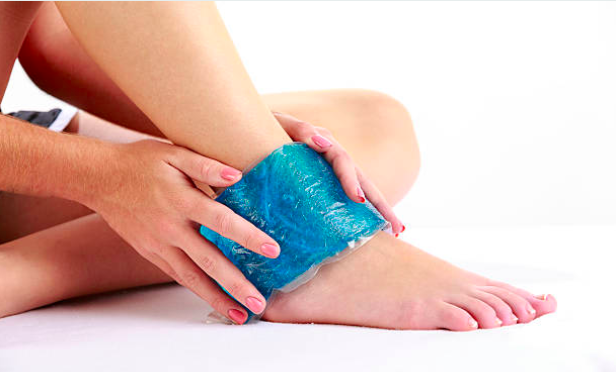
Ice should be applied to an injured area as soon as possible.
Use the 10/10/10 method of ice application: 10 minutes of ice; followed by 10 minutes of rest without ice; followed by 10 minutes of ice again. Do not apply heat. Ice works to reduce pain and inflammation to your injured muscles, joints and tissues and may even slow bleeding if a tear has occurred. Remember to wrap your ice pack in a towel or cloth to avoid direct skin contact and potential frostbite.
C is for COMPRESSION.
Compression also helps minimize swelling, which can speed up recovery and lessen discomfort. You can compress an injury using an elastic bandage or a specialized compression wrap. However, be cautious not to wrap it too tightly, as this can inhibit circulation and cause more harm than good. When wrapping, begin at the end furthest away from the heart.
E is for ELEVATION.
If possible, raise the injured area above the level of the heart, especially at night, by putting a pillow under the injured area. This helps to control swelling by encouraging fluid drainage from the area.
After the first 48 hours, slowly start to use the injured area again and continue icing for another day. If you are unsure of the severity of your injury, consult a doctor or chiropractor for an evaluation.
The wellness team at Pickering Village Chiropractic & Massage provides our patients with more than just chiropractic and massage therapy services, but also the know-how to build better personal wellness habits so you can be at your best for work or play, every day.
To book an appointment or learn more about the chiropractic and therapeutic massage therapy services available at our clinic, call 905-427-3202.
Strategies for Safeguarding Your Back While Camping This Summer
Leave a Comment
Camping is a wonderful way to reconnect with nature, unwind, and enjoy the great outdoors. It offers an escape from the daily hustle and bustle of life, providing an opportunity to relax and rejuvenate. However, while camping has numerous benefits for our mental and physical well-being, it is important to be aware of the potential risks it can pose to our musculoskeletal health.
Let’s explore some of the common risks associated with camping and provide tips on how to tackle them.
Improper Posture and Sedentary Behavior
Camping often involves activities such as sitting around the campfire, fishing, or relaxing in a camping chair. However, prolonged periods of sitting in uncomfortable positions can lead to poor posture and strain on the muscles and joints. Maintaining an improper posture for extended durations can result in back pain, neck pain, and stiffness. To minimize these risks, it is crucial to maintain good posture, take regular breaks, and engage in stretching exercises to relieve muscle tension.
Heavy Lifting
Setting up camp requires lifting and carrying heavy equipment, including tents, coolers, and backpacks. Improper lifting techniques can strain the muscles and put excessive stress on the spine. It is essential to use proper lifting techniques, such as bending at the knees, lifting with the legs, and avoiding twisting motions. Distributing weight evenly and utilizing equipment with ergonomic designs can also help reduce the risk of musculoskeletal injuries.
Uneven Terrain and Falls
Campsites are often located in natural settings with uneven ground, rocks, and tree roots. Walking on unstable surfaces increases the risk of slips, trips, and falls, which can lead to sprains, strains, or even fractures. Choosing appropriate footwear with good ankle support and slip-resistant soles can provide stability and reduce the risk of falls. Being cautious, using a flashlight at night, and clearing the camping area from any potential hazards can also help prevent accidents.
Repetitive Activities and Overuse Injuries
Engaging in camping activities such as chopping wood, pitching tents, or carrying water can involve repetitive motions that strain certain muscle groups. Over time, these repetitive activities can lead to overuse injuries, such as tendonitis or bursitis. It is advisable to vary tasks, take frequent breaks, and perform stretching exercises to reduce muscle fatigue and minimize the risk of overuse injuries.
Inadequate Sleeping Conditions
Sleeping on uneven ground or in an uncomfortable sleeping bag can result in poor sleep quality and musculoskeletal discomfort. Inadequate support for the spine and joints can contribute to back pain and stiffness. Investing in a high-quality sleeping pad or air mattress that provides proper cushioning and support can significantly enhance sleep quality and reduce the risk of musculoskeletal discomfort.

Like many other events in your life, camping can pose a number of risks to your musculoskeletal health.
We want to help out all our campers this summer with some useful tips to follow before you load up the tent and strap your canoe on the roof of the car:
- Test your gear to ensure it works. Before packing materials in your vehicle, test your equipment to ensure it works and do so safely.
- Plan for activities. Plan your activities in advance to ensure that you have the right equipment and are physically ready for the challenge.
- Familiarize yourself with your upcoming campsite. Learning about the facility and what is available to you helps you prepare in advance for what to bring.
- Make a list and check it twice. Preparation is key! Make a list of the items that you may need, but consider what is truly essential. Packing extra weight can put a strain on your body, so be discerning and keep things light.
Camping is a fantastic way to enjoy nature and take a break from the demands of modern life. However, it is important to be mindful of the potential risks it can pose to our musculoskeletal health. By adopting proper posture, using correct lifting techniques, being cautious of uneven terrain, avoiding repetitive motions, and ensuring adequate sleeping conditions, we can minimize the risk of musculoskeletal injuries and fully enjoy the camping experience.
Remember, taking care of our physical well-being allows us to make the most of the great outdoors while keeping our bodies healthy and pain-free.
At Pickering Village Chiropractic and Massage, we provide our patients with more than just chiropractic and massage therapy services, but also the know-how to build better personal wellness habits so you can be at your best for work or play, every day.
To book an appointment or learn more about the chiropractic and therapeutic massage therapy services available at our clinic, call 905-427-3202.
Remember to Stretch Before Hitting the Golf Course this Spring
Leave a Comment
As the weather warms and the rainy days subside, many Ontario golfers are gearing up to get back on the course. Don’t let your enthusiasm keep you from understanding the strain and effort required to play golf.
To avoid injury, be sure to spend at least five minutes stretching before you start swinging!
Here are a few quick and easy golf stretches to help you get in the game without the pain.

Hip Flexor Lunge
- Stand with your feet shoulder-width apart.
- Step one foot forward into a lunge position. Keep your body upright and back straight.
- Bend both knees so that you feel the stretch.
- Do not let your forward knee pass over the ankle of your front foot.
- Use a golf club to keep your balance.
- Hold 15 seconds. Repeat twice on each side.

Seated Twist
- Sit on a bench or golf cart with your knees together and feet flat, pointing forward.
- Reach across the front of your body and grasp the back of the bench or cart.
- You should experience a stretch in your spinal muscles.
- Hold 15 seconds. Repeat twice on each side.

Seated Forward Bend
- Sit on a bench or golf cart, knees bent and feet flat.
- Place one ankle onto your opposite knee, and relax this leg so that your knee falls out to the side.
- Slowly bend forward, keeping your back straight.
- You may gently pull on your bent knee to generate a deeper stretch.
- You should feel a stretch in your buttock area.
- Hold 15 seconds. Repeat twice on each side.
 Side Bending Stretch
- Stand with feet shoulder-width apart.
- Hold the golf club above your head with your arms straight.
- Slowly bend to one side, without rotating, until you feel a stretch along the side of your back.
- Hold 15 seconds. Repeat twice on each side.
For a full list of golf stretches, click here.
Suffering from back or neck pain from golfing? At Pickering Village Chiropractic and Massage, we provide our patients with more than just chiropractic and massage therapy services, but also the know-how to build better personal wellness habits so you can be at your best for work or play, every day.
To book an appointment or learn more about the chiropractic and therapeutic massage therapy services available at our clinic, call 905-427-3202.
Managing Osteoporosis with Exercise and Chiropractic Care
Leave a Comment Aging, obesity, and chronic health conditions, among other things, can lead to limited mobility and strength. And these issues can in turn contribute to spine, muscle, and joint problems.
Starting at age 30, our bones decline in density. And if bone mass gets dangerously low, it’s called osteoporosis. Physical exercise, particularly if it’s weight-bearing, can help you better manage osteoporosis, including its side effects.
According to the Report on Ageing and Health 2015, a spine, muscle, and joint report prepared for the World Health Organization (WHO), osteoporosis, osteoarthritis, and sarcopenia (muscle loss) affect millions. And in Canada, osteoporosis affects two million Canadians, but many people only get diagnosed after they break a bone.
For many, spine, muscle, and joint problems start with mild symptoms, such as joint pain, stiffness, and swelling. As a result, the discomfort may prompt you to limit activity, leading to weaker muscles. You end up losing more range of motion and things start to increasingly hurt.
Using muscles and joints incorrectly makes it worse. And unfortunately, people may stop exercising and begin limiting their everyday activities. An inactive lifestyle can contribute to many chronic conditions, including osteoporosis. Inactivity can also lead to balance issues, which puts you at risk of falling. Plus, people who have multiple conditions must often juggle a wide range of medications and all their potential side effects.
These conditions can lead to severe outcomes, such as falls that shorten your lifespan. However, it doesn’t have to be this way.
What Exercises Help Manage Osteoporosis and Osteoarthritis?
Being physically active can turn things around for those with conditions such as osteoporosis and osteoarthritis. That’s the power of exercise.
Exercise impacts health, but it must be the right exercise. Controlled movements that build strength and range of motion are ideal. A combination of activities, such as swimming, cardio gym machines, and low-impact aerobics, can be effective. However, weight-bearing exercise works best to help you manage osteoporosis.
For those whose range of motion is limited, yoga and Pilates can be helpful, along with further support from chiropractic care, massage therapy, and physiotherapy.
The right activity for the right person can make a big difference. Dr. John Antoniou, an orthopaedic surgeon and former president of the Canadian Orthopaedic Association, says: “You won’t reverse the damage that’s occurred, but it’ll maintain the function that’s still there.”
Exercise can help you manage osteoporosis to slow the rate of bone loss that comes with this age-related bone disease. It can also reverse some age-related muscle mass loss. With less pain, stronger muscles, and better balance, you’ll find you can do much more.

Where does chiropractic care fit in?
A chiropractor can prescribe a therapeutic exercise program to help increase your strength and range of motion in affected areas. This program can include stretching, strengthening, postural awareness, balance training, and neuromuscular exercise. However, exercise as a therapy to help manage osteoporosis can be challenging because your instinct is to stop moving once you have mild pain. An integrated approach between a medical doctor who is supporting patients with chronic health conditions and a chiropractor assisting in managing the muscle, spine, and joint components will help you become more active.
While the mentality is often to stop doing an activity because it hurts, when it comes to arthritis, you need to push through discomfort but stop when you feel true pain. Guidance from health care professionals on “hurt versus harm” can make sure exercise is healing, not hurting.
If you don’t enjoy traditional exercise, such as going to the gym, try focusing on doing everyday life activities such as walking, gardening, and playing golf.
Currently, only one in five Canadian seniors get the recommended 150 minutes of activity per week. With help from a healthcare professional, like a chiropractor and your integrated care team, you can break this pattern to manage age-related conditions like osteoporosis better.
To learn more about how chiropractic care and massage therapy can help you manage your osteoporosis, contact the Pickering Village Chiropractic & Massage Therapy Clinic at 905-427-3202 and book a consultation with a member of our wellness team.
With content from the Ontario Chiropractic Association
Invite Your Family and Friends to Spring Into Wellness from May 8th to 13th
Leave a Comment
Although it may not feel like it this week, the warm spring weather will return! To celebrate spring, Dr. John Noble and Dr. Mark Fera offer your loved ones, family and friends a chiropractic and neurologic examination at our expense (a $150 value), during Spring Into Wellness Week, May 8th through 13th.
If your friends and family are suffering from neck, shoulder or back pain, fear of the unknown may be keeping them from enjoying the benefits of chiropractic care. If you’re a patient at our clinic, you understand what’s involved in chiropractic treatment. You have also experienced the positive change these treatments have had on your health.
Booking an appointment during our “Spring Into Wellness” Week is a great way to introduce your friends and family to chiropractic care. There’s no fee and no obligation to begin care. To book an appointment, contact us at 905-427-3202.
Below are the answers to a few questions your friends and family may have.
What is chiropractic care?
Chiropractic care is a profession concerned with the diagnosis, treatment and prevention of mechanical disorders of the musculoskeletal system, and the effects of these disorders on the function of the nervous system and general health. Chiropractic care’s emphasis is on manual treatments, which include spinal adjustments and other joint and soft-tissue manipulation.
Chiropractors are spine, muscle and nervous system experts. They are specifically trained to diagnose the underlying cause and recommend treatment options to relieve pain, restore mobility and prevent reoccurrence without surgery or pharmaceuticals.
What are the benefits?
Your musculoskeletal system supports your weight, provides physical stability, enables you to move your body, and protects your vital organs.
Benefits of chiropractic care include:
- Improved movement in your neck, shoulders, back and torso
- Better posture
- Relief from headaches, neck and back pain
- Prevention of work-related muscle and joint injuries
- Enhanced athletic performance
- Improved flexibility
- Relief of pregnancy-related backache
- Correction of gait and foot problems
What can I expect from my chiropractic treatment?
Chiropractic treatments normally consist of manual therapy, including joint manipulation, mobilizations and soft tissue therapy.
- A manipulation (commonly known as an adjustment) is a quick, small thrust to the spine or other parts of the body intended to provide immediate pain relief and mobility.
- Mobilizations are slower, more passive movements or stretches that help relieve stiff joints.
- Soft tissue therapy refers to a variety of different techniques focused on alleviating discomfort without causing movement.
In addition to manual therapies, Ajax chiropractors Dr. John Noble and Dr. Mark Fera are trained to recommend a course of action that includes exercise, ultrasound or laser treatments, rehabilitation, nutritional counselling and injury prevention strategies.
Whether you are suffering from a specific injury to your muscles, tendons, ligaments and nerves, or you have a chronic condition such as spinal stenosis, osteoarthritis or inflammatory arthritis, Dr. Fera and Dr. Noble can help relieve pain and restore function in the following areas of the body:
- Head and neck
- Shoulders
- Mid-back
- Low back and pelvis
- Elbows, wrists and hands
- Hips, knees, ankles and feet
We have reserved a limited number of appointments during Spring Into Wellness Week: May 8th – 13th.
To learn more or book an appointment, please contact Pickering Village Chiropractic & Massage today at 905-427-3202.
Five Tips for Avoiding Injury While Spring Cleaning
Leave a Comment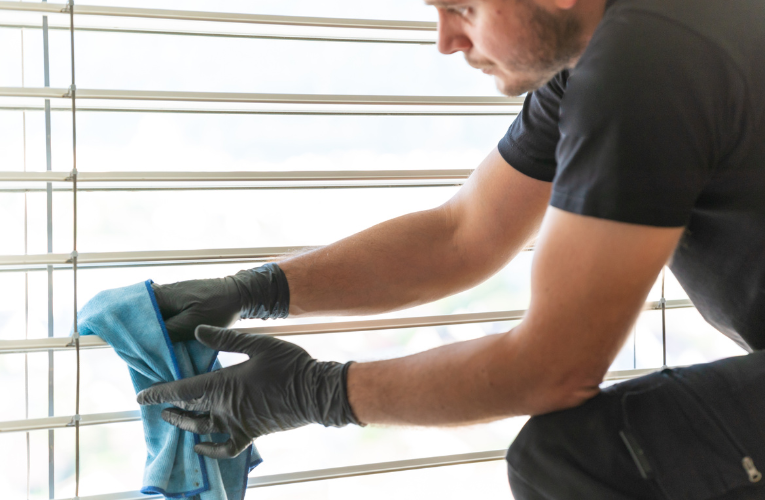
With the Easter long weekend behind us and a warm breeze coming through your newly open windows, you may be ready to tackle your long list of household chores.
Since many of these chores require a great deal of bending, reaching and twisting — all movements that can increase your risk of injury — we’ve pulled together some tips to help you stay safe while checking off your to-do lists:
1. Warm up before you start to clean
As with any type of physical activity, it is very important to warm up the body before engaging in your spring-cleaning routine. You can prepare your body by walking around the house or doing some simple stretches to help prevent injury.
2. Break up heavy loads and make a few more trips
Think back to the last time you did groceries. Did you try to carry all the bags into the house at once, instead of taking multiple trips to the car? We know how tempting it is to make fewer trips, but you may be risking an injury. Take the extra few minutes and only carry a few bags at once. Don’t drive? Consider investing in a cart or buggy rather than carrying heavy bags.
3. Divide and conquer and get it done gradually
Do you save chores for your day off and ambitiously power through your list? You may find that dedicating 30 minutes every day to your household tasks can decrease your stress and risk of injury or fatigue.
Bonus: by getting a little bit done each day, you will have more time on the weekend for fun activities with family and friends.
4. Maintain proper posture while doing your chores
Vacuuming and mopping the floors often require excessive bending, reaching and twisting. Rather than stretching out your arms and bending at the waist to do the job, hold the vacuum or mop handle close to your body and walk back and forth with it. Avoid excessive twisting and keep a relaxed, neutral spine while doing these chores. Your back will thank you!
5. Switch it up and use your non-dominant hand
To prevent unwanted strain on your shoulders, neck, and back, use both sides of your body to do your spring cleaning. Every once in a while, consider cleaning the bathroom tiles or washing dishes with your non-dominant hand.
With these tips, you can feel confident in tackling your to-do list safely and effectively. However, if an injury does occur, give our clinic a call at 905-427-3202 and book a consultation with our chiropractic or massage therapy team.
With content from the Canadian Chiropractic Association
Three Tips for Staying Healthy as You Head Outside This Spring
Leave a Comment
Have you been spending more time outside over the past few weeks? As the days get longer, it’s only natural that our urge to spend more time outside increases. And unless you’ve spent your spare time on a ski hill all winter, you’ve probably spent the majority of your working and free time indoors.
But before you pull on those jogging pants, hop on that bike or even start working in the garden, there are a few things you need to remember.
Avoid injury by easing into extra activity
To avoid injury, preparing your body is key, especially if you’ve been relatively inactive over the winter months. The “no pain, no gain” philosophy is outdated and will likely leave you in worse shape than when you started.
“It happens every year. We get a few warmer days and people go from little activity to a full day on the golf course or a morning spent in the garden…without any stretching or gradually working up to it. Each spring, the warmer weather results in more patients seeking chiropractic care for back, shoulder and neck injuries. It’s unfortunate because so many of these injuries could be avoided.” — Dr. John Noble
Whether you’re golfing, gardening or hitting the tennis courts, be sure to ease into your activity and find the appropriate stretches to perform beforehand.
Avoid staying up late and get a good night’s sleep
As we head into the spring and summer months, it may be tempting to stay up later to enjoy the extra daylight. Extra-long days, more activity…what’s not to love?
Don’t underestimate the healing power of rest, especially if you’re recovering from an injury. Poor sleep patterns have been linked to weight gain, heart disease, stroke, depression, inflammation and cell damage. A good sleep pattern, on the other hand, can improve immune function, maximize athletic performance and improve concentration and productivity.
Increase your fluid intake to stay hydrated
Getting enough fluids in warmer weather, especially as your activity level increases, is crucial to staying healthy. Drinking ample amounts of liquid helps to maintain your body’s functions, including your heart, brain and muscles. Staying hydrated allows your body to carry nutrients to your cells, maintain a normal temperature, digest food and flush bacteria and impurities from your body.
How much is enough? The actual amount varies from person to person and is dependent on a variety of factors, including your weight, height and activity level. Ask your doctor how much water you should be drinking each day.
Maintain a healthy immune system with chiropractic care
Although many people associate chiropractic care with the treatment of neck, shoulder and back pain — and this would be correct — visiting a chiropractor regularly can also help your immune function.
At Pickering Village Chiropractic & Massage, our patients understand that by keeping their spine in proper alignment, all systems in their body are able to function at optimum efficiency, allowing messages to travel throughout their body freely and keep illness at bay.
To learn more about staying active and managing your health with exercise, contact our clinic today at 905-427-3202.